
Health Nutrition Hub Health Nutrition Hub · Malta
A quiet consultation desk prepared for an online nutrition appointment, with a notebook and a glass of water in morning light

Everyday nutrition, Malta

Practical nutrition guidance you can use today

Sensible, evidence-informed notes for the shops, seasons and weekly routine you actually have.

Start here, no appointment needed

These notes are for anyone who wants useful, sensible food guidance without booking an appointment first. They are written for people living in Malta, where the shops, the seasons and the weekly routine all shape what ends up on the plate.

Nothing below replaces advice that knows your medication, your test results or your medical history. Treat it as a starting point you can act on this week, and bring your questions to a consultation when they need a person rather than a paragraph.

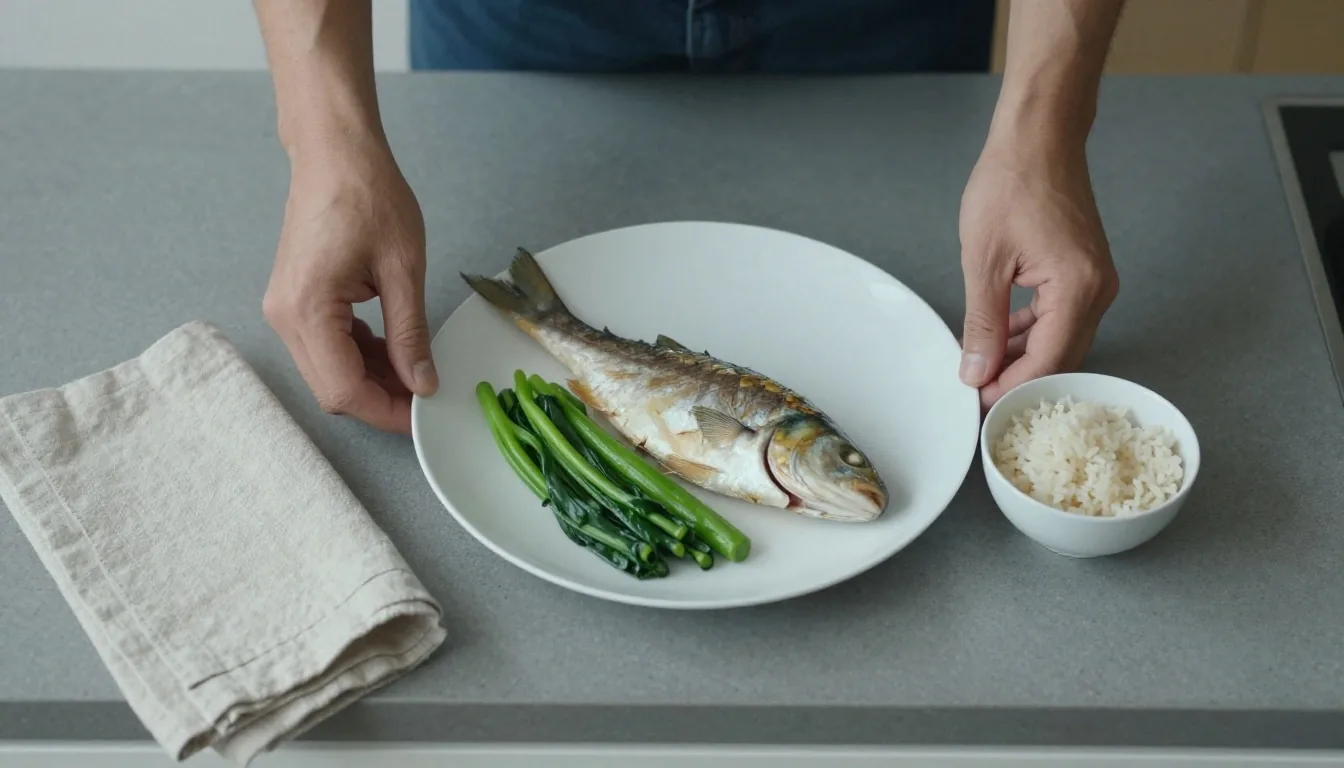
Overhead view of hands arranging a simple portioned lunch on a cool kitchen worktop

A plate is not a formula. Palm of protein, two handfuls of vegetables, a cupped hand of starch — the shape travels to a restaurant table or a parents' kitchen.

Building a plate without weighing anything

Most people do not need grams and scales; they need a rough shape for a meal. A palm-sized portion of protein, a couple of handfuls of vegetables, and a starch portion about the size of your cupped hand covers most lunches and dinners. It is deliberately imprecise, because a rule you can apply at a restaurant or at your parents' table is worth more than one that only works at home with a scale.

Use it as a default, not a verdict. Some days the plate is mostly vegetables and a little bread; some days it is a bowl of pasta after a long walk. What matters is that the shape is repeatable and that you can describe it to yourself in one sentence.

Book a consultation
A plain white plate showing a palm-sized portion of fish, two handfuls of vegetables and a cupped hand of rice

Hand measures, not grams — repeatable at a restaurant, a hotel buffet or your parents' kitchen.

Breakfast and the mid-morning crash

If you are hungry again by 10am and reaching for something sweet, the issue is often breakfast rather than willpower. Adding protein and fibre to the first meal, whether that is eggs, Greek yoghurt, or last night's leftovers, tends to flatten the morning. A pastry and a coffee is a fine occasional breakfast; it is just a poor foundation for a long day.

Protein first

Two eggs, a pot of plain Greek yoghurt, or a portion of last night's chicken. It is the cheapest change to a morning that collapses by ten.

Add fibre

Oats, wholegrain bread, fruit with the skin on, or yesterday's vegetables. Fibre slows the morning down and makes the first meal last.

One honest test

Change only breakfast for a week and see how the ten-o'clock hour feels. That tells you more than any general rule about mornings.

Reading labels in a Maltese supermarket

Labels here are usually in English and often in Maltese as well, which makes comparison easier than it looks. Check the per-100g column rather than the per-serving one, since serving sizes are chosen by the manufacturer and are often smaller than what people actually eat. For bread, cereal and yoghurt, comparing two products by sugar and fibre per 100g takes about ten seconds and usually changes the decision.

Sugar

g

Compare across the whole shelf. A yoghurt at 4g per 100g and one at 12g per 100g are different products for a Tuesday, even if the front of the pot looks the same.

Fibre

g

For bread and cereal this is the number that separates a loaf worth buying weekly from one worth buying occasionally. Higher fibre usually means it also holds you longer.

Salt

g

The one that surprises most people, especially in bread, sauces and cured meats. If two brands look identical, this row is usually the difference.

Eating out without abandoning the week

Malta has a strong eating-out culture and nobody is going to skip it. A single restaurant meal does not undo a week; a week of restaurant meals does. Choose what you actually want, eat it without a side of guilt, and return to your normal pattern the next day. The habit worth avoiding is the "I've ruined it" spiral that turns one dinner into a fortnight.

If you eat out most evenings, the useful move is not a rule but a rhythm: pick two or three dishes you genuinely enjoy, order vegetables alongside them where the menu allows, and let the rest of the week carry the balance.
Snacks that survive a busy afternoon

The afternoon snack is where most plans quietly fail, usually because there is nothing at hand except what is in the office vending machine. Keeping something with protein in your bag, a small tub of nuts, a cheese portion or a yoghurt, solves most of it. Fruit alone works for some people and not others; if you are hungry twenty minutes later, add protein.

The practical version of this is boring on purpose: buy the snack you would actually eat on a Tuesday, keep it where you work, and stop relying on the decision being made at four in the afternoon.

Hydration in Maltese summers

From June to September the heat here is not subtle, and thirst lags behind need. Water with meals and a bottle within reach during the day covers most people. If you work outdoors or train in the heat, you need more, and plain water is usually enough unless the session is long and sweaty.

A useful habit for the hotter months is to drink with meals rather than trying to catch up in the afternoon. If your urine is consistently dark or you get headaches in the heat, that is worth mentioning at a consultation.

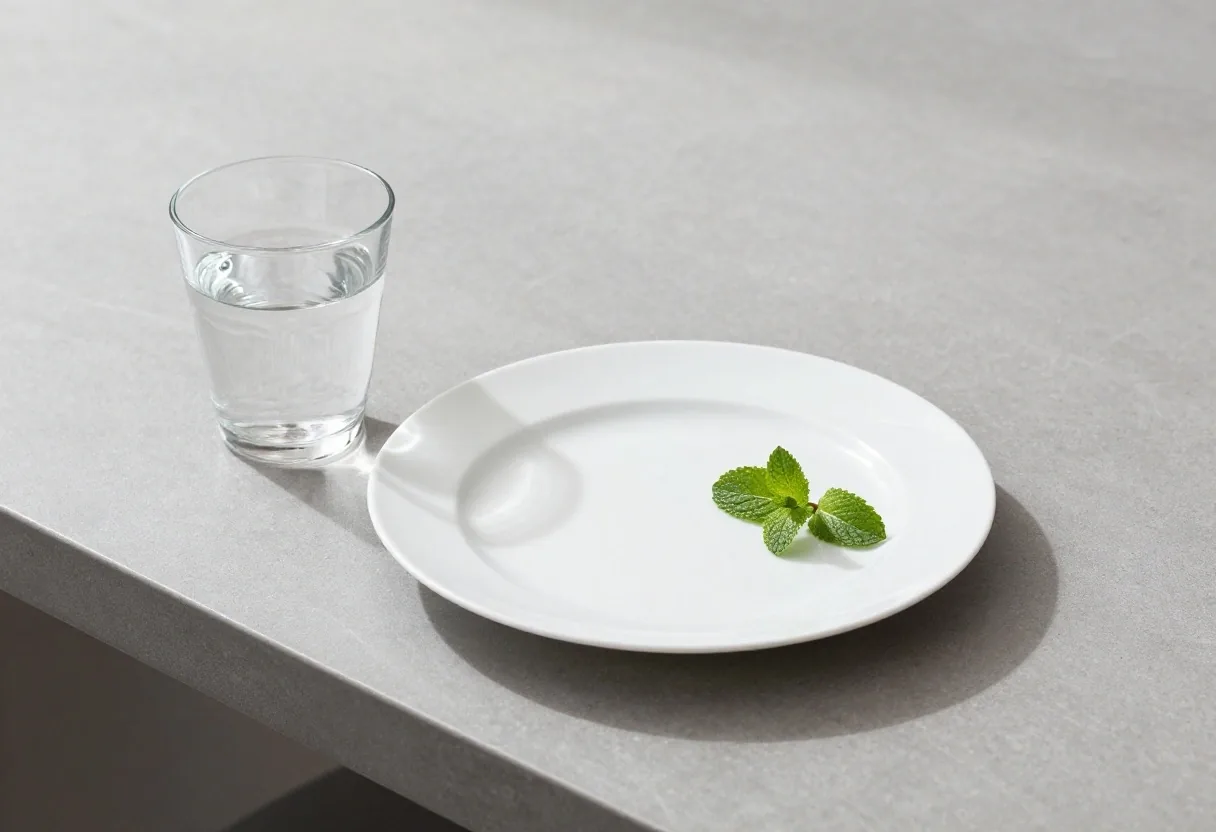
A glass of cold water beside the edge of a white plate on a cool worktop in morning light

A glass with every meal

The easiest summer habit is not a target, it is a placement. Put the water where you eat and where you work, and the daily amount stops being a decision. If plain water has become dull by August, cold herbal tea counts the same way.

Slow fixes

Fibre, digestion and the slow fix

Bloating and irregular digestion are among the most common reasons people book a consultation. Increasing fibre helps, but doing it overnight often makes things worse for a week. Add one fibre source at a time, keep fluid intake up, and give it a fortnight before judging. If symptoms persist or come with pain, that is a conversation for your doctor.

One change at a time. Adding oats, beans and wholegrain bread in the same week tells you nothing about which one helped.

Fluid belongs with fibre. More fibre without enough water is a common reason the first week feels worse, not better.

Fourteen days is the honest window. Judging a fibre change after two days usually means abandoning something that was working.

Pain is not a fibre problem. Persistent symptoms, blood, or pain that wakes you are reasons to speak to your doctor rather than to read further.

Bring the specifics to a person

Your medication, test results and history are exactly what general guidance cannot see.

Book a consultation

The conversations worth having out loud

Two topics where a plain sentence beats a rule: drinking, and knowing when a guide stops being the right help.

Alcohol, honestly

There is no version of regular drinking that is good for you, and pretending otherwise does not help anyone. That said, guidance that treats a glass of wine as a moral failure tends to be ignored entirely. The practical line is frequency and quantity: fewer days, smaller pours, and no pretending that the weekend starts on Thursday.

If you are trying to change a pattern rather than just count drinks, the useful question is what the drink is attached to: the end of a shift, the social round, the habit of an open bottle. That is the sort of thing a consultation is genuinely good at working through.

When to stop reading and ask someone

General guidance covers a lot, but it does not know your medication, your test results or your medical history. If you have a diagnosed condition, are pregnant, or have had an eating disorder, speak to a professional rather than working from articles. That is what the consultation is for.

The same applies if you have been following the same plan for months and nothing has changed. A consultation is not a reward for struggling; it is the fastest route to a plan that fits your actual circumstances.

Do I need an appointment to use this page?

No. These notes are written to be useful on their own, before or after a consultation. If you want them turned into something specific to your week, meal pattern and health history, that is exactly what the consultation is for.

Are the consultation and the guidance the same thing?

They overlap, deliberately. The guidance on this page distils the same practical, everyday advice that shapes a consultation, so nothing you read here contradicts what you would hear on the call.

When a paragraph is not enough

The desk is run from Sliema, and consultations happen online, so distance inside Malta is not a reason to wait. If you want help applying any of this to your week, book a consultation and bring the specific questions the articles cannot answer.

Reach the desk

Address
35 Triq Gorg Borg Olivier, St Julian's STJ 1082, Malta
Hours
Monday to Friday, 9:00 AM – 6:00 PM

Prefer to write first? The contact page reaches the same desk, and you can ask about the consultation before committing to a time.